
Surrounded by Green: What Nature Does for the Brain and Body
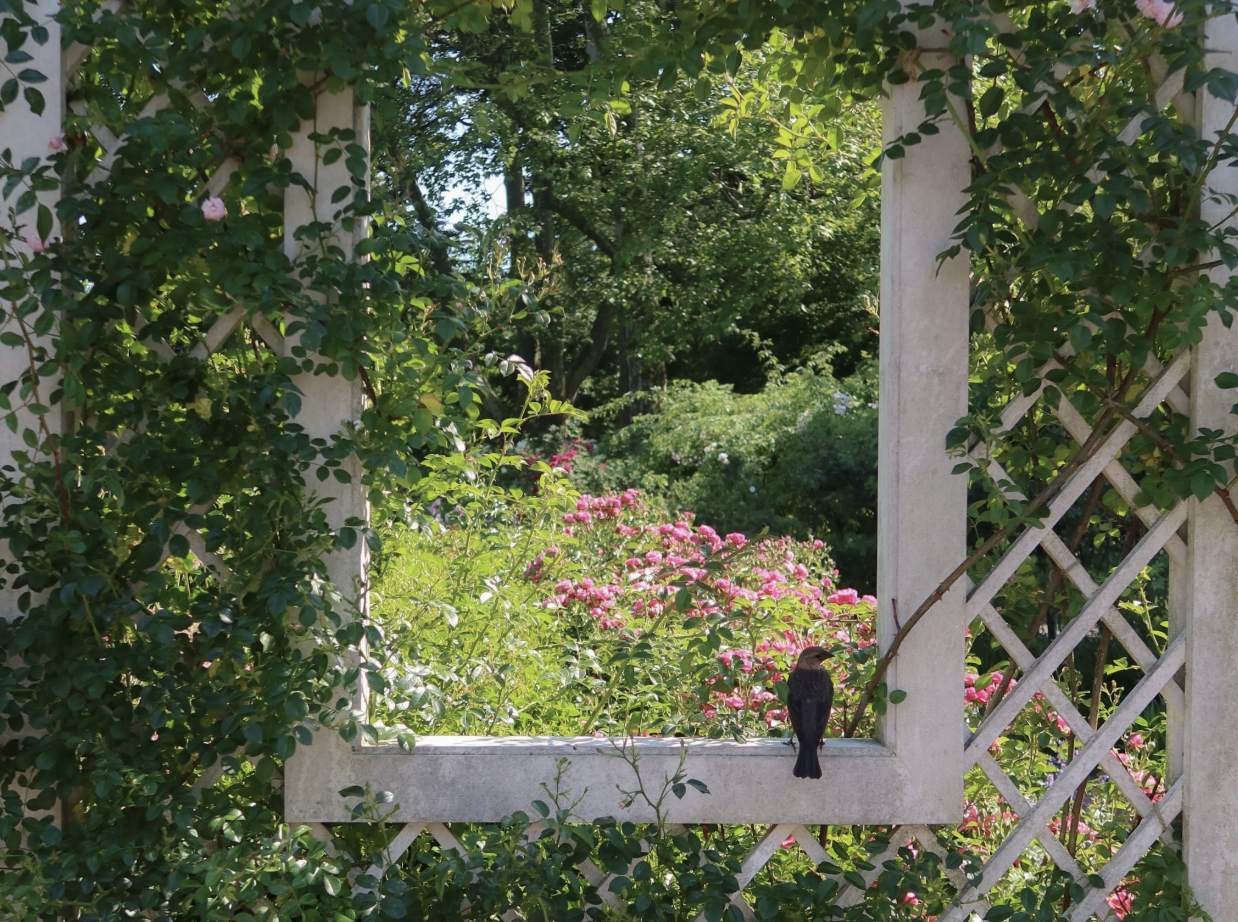
A few months ago, I wrote about winter and the way it helps us slow down and be more intentional. Walking through Brooklyn in June feels different than it did a few months ago. The sidewalks are shaded, community gardens are overflowing, roses and budding hydrangeas paint the streets. In the park, the trees are full again, creating a canopy of green that softens the city around me. The park is louder now, filled with conversation, music, and movement, yet I often leave feeling calmer than when I arrived.
What is it about being surrounded by green that feels so regulating?
While many of us instinctively reach for nature when we feel stressed, overwhelmed, or in need of a reset, there is growing research suggesting that this pull toward green spaces is more than a personal preference. Nature appears to have measurable effects on both our minds and bodies. Studies have found that spending time in natural environments is associated with lower levels of cortisol, a hormone released during times of stress, as well as reductions in heart rate and blood pressure. In other words, being surrounded by trees, plants, and other natural elements may help signal safety to our nervous systems, allowing the body to shift away from a heightened state of alertness and toward a state of restoration.
Green spaces have also been consistently linked to improved mood and overall wellbeing. Even brief encounters with nature, such as walking down a tree-lined street, sitting in a garden, or spending a few minutes in a local park, can positively influence how we feel. These experiences do not need to be grand or time-consuming to be beneficial. Sometimes a few moments of noticing the movement of leaves in the wind or the changing shades of green around us can be enough to create a sense of grounding.
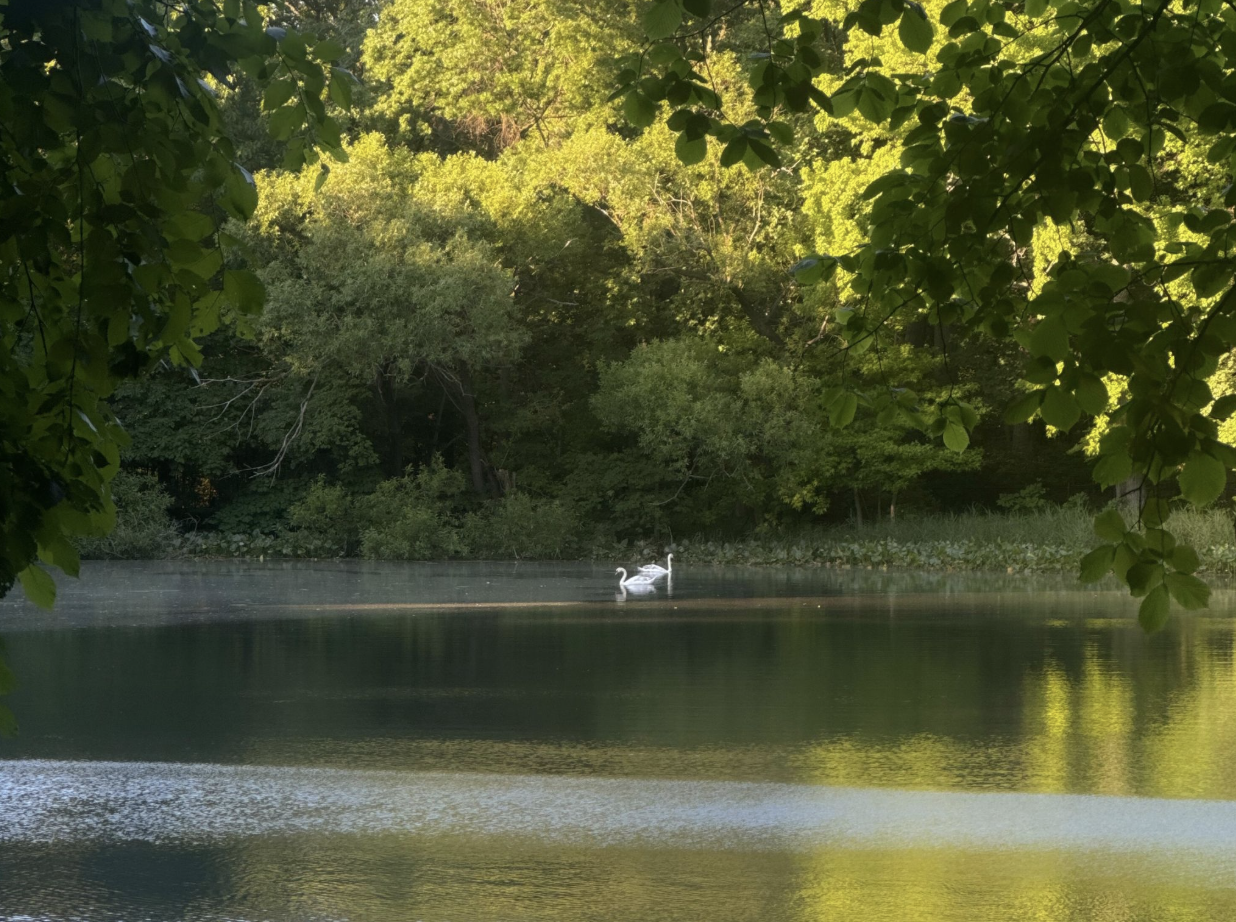
For children and teens, these benefits can be especially meaningful. Outdoor spaces offer opportunities for movement, exploration, creativity, and sensory engagement in ways that many indoor environments cannot. Research suggests that time spent in and around nature can support attention, working memory, and overall wellbeing while helping reduce stress and mental fatigue. Whether it's playing outdoors, taking a walk through the neighborhood, or spending an afternoon in the park, these moments of connection with nature can help us feel more grounded, focused, and restored.
While spending time outdoors may be the most obvious way to connect with nature, it is not the only one. Bringing greenery into our homes through houseplants, tending to a small garden, growing herbs on a windowsill, or even keeping a vase of fresh flowers nearby can serve as reminders to engage our senses. For parents, these can also become meaningful opportunities for connection and learning with children. Whether indoors or outside, even small moments of curiosity and shared attention can help children build a stronger connection with the natural world. Here are a few simple ideas to try together:
Color walk: Pick a color before your walk and see how many objects you can find that match it!
Nature scavenger hunt: Search for different leaves, flowers, birds, rocks, or other items found outdoors.
Plant together: Grow herbs, flowers, or vegetables and let children help water and observe their growth.
Five senses activity: Pause together outside to notice five things you see, four you hear, three you feel, two you smell, and one you can taste (if appropriate).
What I find most comforting about this research is how accessible it is to us all. We do not need to live near mountains or spend entire weekends hiking to experience the benefits of nature. The greenery woven throughout our neighborhoods, the trees lining our streets, and the local parks we pass each day can all serve as small opportunities for regulation and restoration, if we are present enough to appreciate it. Even these brief moments of contact with nature help our nervous systems settle and our minds feel a little less overwhelmed.
The shift into summer in Brooklyn feels comforting for many of these reasons. As the city becomes greener, we are presented with opportunities to look up and appreciate the growth around us. In a culture that often pushes us to move faster and do more, the abundance of green around us reminds us that restoration can be simple. Sometimes it really is as simple as sitting under a tree, taking a breath, and allowing ourselves to be where we are.

Photos taken this June by Rana Rimawi, PsyD
References:
Vella-Brodrick, D.A., Gilowska, K. Effects of Nature (Greenspace) on Cognitive Functioning in School Children and Adolescents: a Systematic Review. Educ Psychol Rev 34, 1217–1254 (2022). https://doi.org/10.1007/s10648-022-09658-5